This, undoubtedly, has had a profound impact on the way media corporations
 deal with their audience - namely, they sue them. It doesn't matter if they're a 12-year-old girl who wanted an extra copy of the latest Nas album or a college kid with a hard drive full of lifted music, they sue them to make examples. I'm reminded of that scene in Pirates of the Caribbean where the port town leaves the rotting bodies of pirates hanging outside its bay to send a message - abandon every hope, ye who enter here!
This is the market that groups like the MPAA and RIAA have created - instead of utilizing this fantastic new medium, they have tried to squash it, to shut down every torrent-trading site, to use the law as a weapon against the proliferation against digital media. It's obvious to most pseudo-savvy computer users like myself that their efforts have not only failed, but have set off the spark that is now the raging wildfire of internet piracy (erm ... digital liberation.) It all cam e to a head in recent days, as a handful of hackers posted the anti-piracy code to the new HD-DVDs from Sony and were met with cease-and-desist orders from the company's attorneys. What started as a handful of kids trying to get the word out then became a viral process - the code was forwarded to internet chat rooms, blogs, even became a popular song on YouTube.com. It seems that, especially in this case, the corporations' efforts to squash the spread of digital media has backfired and made those of us to who partake more resolute to keep the digital revolution alive.
I understand the argument, I really do - music and movies are a product, and digital piracy is essentially
 stealing that product. However, my argument is simple - it is not the fact that the product is free that it is downloaded, it is because it may or may not be worth purchasing! Take the movie 300 for example - it was a low-budget risk for the studio that made it, and ended up breaking box-office records, turning over incredible profits for all involved, all while there was an active torrent file distributing a pirated DVD screener all over the internet. So how did the movie fare so well when it was available for free? It's simple - because it was a fucking great movie. People, even those who saw it for free first, went to the movie theater to get the "full experience" of seeing the film in the way it was meant to be seen.
You don't have that with, say, The Holiday. Film and album sales aren't down because people are downloading them for free, they're down because Hollywood and mainstream music has been essentially feeding the American market shit for the past few decades, and we're sick of it. The Digital Revolution is not a communistic, illegal battle for free stuff, it is a statement that we, as an audience, are not stupid, and we are more refined that ever before. We demand music and movies that don't insult our intelligence, don't pander to our addiction to bubble-gum pop music, and don't treat us like children. Until the supply meets this demand, we will continue to get our movies and music for free.
Lest we forget that this same debate raged about thirty years ago with the advent of cassette tapes. The music industry fully believed that people would begin recording their favorite songs from the radio, and hence, would no longer purchase albums or tapes. We know, of course, that this is ... well ... bullshit. Mixtape culture rose from the concept, and the music industry was better off because of it - haven't we all been turned on to a band because of a mix someone gave us?
Which leads me to my final point - stealing music is good for music. Take, for example, well ... my site. Throw the Goat features music reviews and band features, most of
 which I've downloaded illegally, at least at first. Seventh Wonder, one of my new favorite bands, would have been just another great, unheard metal band in Scandinavia had I not stumbled upon their music by chance on a music-swapping site. Bands and labels alike should view the internet as a brilliant new medium for propagating music, and focus their money-earning endeavors on touring, merch sales, endorsements, etc. These methods are time-tested money-makers and benefit the artist more directly anyway.
I imagine sometime soon we will see an uneasy peace reached between the Digital Liberators and those fascists at the MPAA and RIAA. Until then, avast, maytees! Here, thar be poirates!

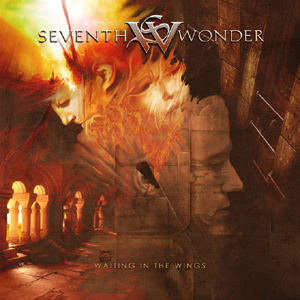



 cord begins with a brooding, delicate acoustic riff, interrupted in true epic fashion with enough distortion to split your skull. By the time Francine Boucher, the band's incredibly versatile, overwhelmingly talented vocalist comes in, you're hooked.